AI in the Classroom: What Might It Mean for Memory and Learning?
- TeachCPD
- Nov 23, 2025
- 4 min read
Updated: Dec 8, 2025
Many young people and even children have already heard of or are using AI in some way. Some turn to it for help with schoolwork, others use it for everyday tasks like getting ideas or checking information and some simply enjoy chatting with it as they would with any other digital tool. AI is quickly becoming part of the background of their daily lives, which raises an important question for educators.
If students are growing up learning alongside AI, what does this mean for the future of learning and the way we help them build understanding, memory and confidence as thinkers?
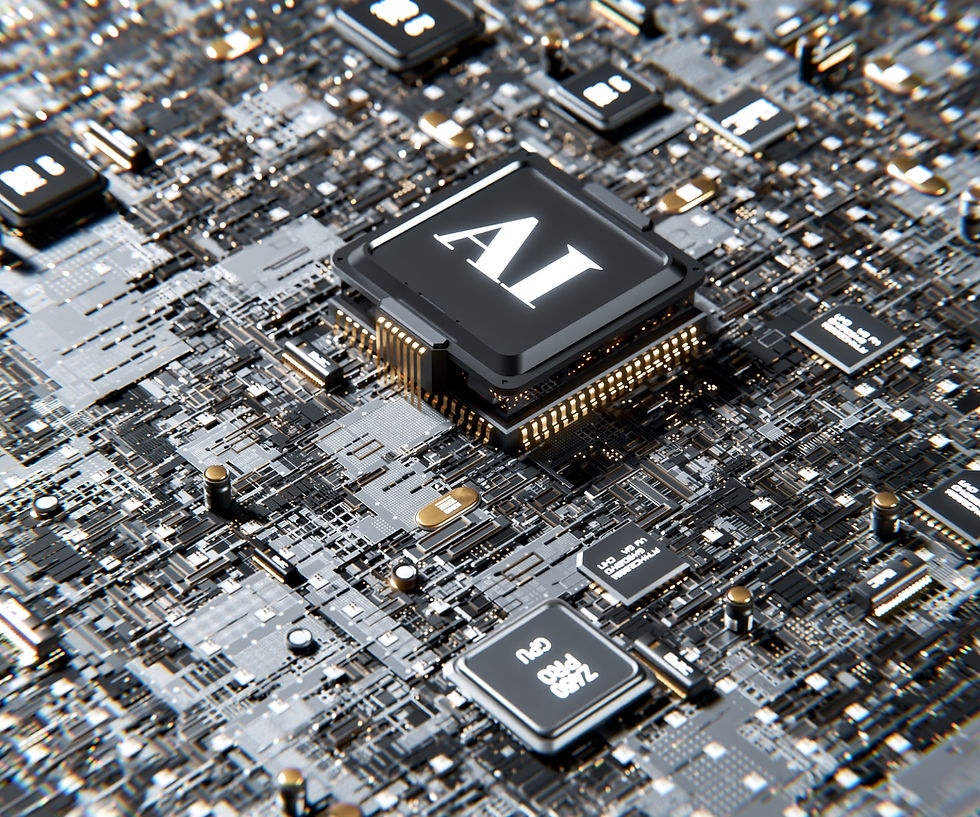
As AI becomes a regular companion in learning, it is worth asking how this might reshape the habits and skills that traditionally support strong memory and deep understanding. If a tool can generate explanations instantly, will students still engage in the kind of effort that helps information stick? If AI removes some of the struggle from learning, will that make learning feel easier in the moment but harder to retain in the long run? Equally, could AI open new doors for students who find learning overwhelming by reducing unnecessary load and giving them more space to think? Could it help students become more reflective by prompting them to question, check and refine their ideas?
These questions point us towards three important ideas that are already shaping the conversation about the future of learning.
1. Memory still matters even in an AI powered world
Many people assume that students do not need to remember as much because information is instantly available. Yet how students think and reason still depends on what they already know. When they have a secure base of facts and concepts, they can work more confidently with new ideas. Without that foundation, working memory becomes overloaded very quickly.
AI can offer information, but it cannot replace the internal knowledge students rely on to judge whether something is accurate or sensible. In fact, as AI tools become more fluent and persuasive, strong long term memory becomes even more important. Students need to know enough to question, challenge and interpret what they are given.
2. AI encourages offloading. This can help or hinder learning
Students often use AI to take care of tasks that feel boring or slow. This tendency to shift effort onto a tool is natural and can sometimes be useful.
There are moments when offloading helps. When AI tidies up grammar, formats text or summarises long notes, it reduces unnecessary strain. This allows students to focus their thinking on the central ideas rather than the surface features of a task.
There are other times when offloading gets in the way. If AI writes the explanation, compares viewpoints or solves the problem, the student misses the cognitive work that strengthens understanding. They may finish the assignment, but the learning does not take place.
One of the emerging challenges for schools is helping students recognise the difference between offloading that clears space for thinking and offloading that removes the journey entirely.
3. Fluent AI responses can create an illusion of learning
AI tools often express ideas in a way that feels smooth and clear. This can make students feel as though they understand a concept when they have not actually engaged with it themselves. Real learning usually involves effort. Students need to test ideas, retrieve information and sometimes make mistakes before something truly sticks.
A polished AI explanation can hide this process. It can give students confidence without understanding. This is why they will increasingly need support in checking their grasp of an idea rather than assuming that clarity equals comprehension.
Technology has always changed how students work. AI may simply be the next step
We have seen similar shifts before. When typing became more common, people wondered whether handwriting would still matter. Today we know that both skills play different roles. Handwriting still helps memory, while typing allows students to share ideas more clearly especially if their handwriting or spelling holds them back. Technology widened access without replacing the need for strong foundations.
The same applies to spelling and grammar. Students still need to learn them because they support clear thinking, yet digital tools can help learners who might otherwise struggle to express what they know.
Calculators offer another example. They are a normal tool now, but they sit on top of secure number sense, not in place of it. Students still learn basic maths because they need those skills to think mathematically.
This pattern raises a wider question. Were people just as anxious about the arrival of the internet as many are now about AI? Each wave of technology has challenged assumptions about what students must know and what tools can support them with. AI invites us to consider where human thinking is essential and where tools simply help students show what they already understand.
So perhaps the real question is this.
How do we guide students toward becoming capable, thoughtful learners while also embracing tools that can widen access and possibility?
What would you add to the conversation? Let us know in the comments.
Comments